Understanding the Historical Development, Cultural Integration, and Contemporary Expressions of Islam in West Java
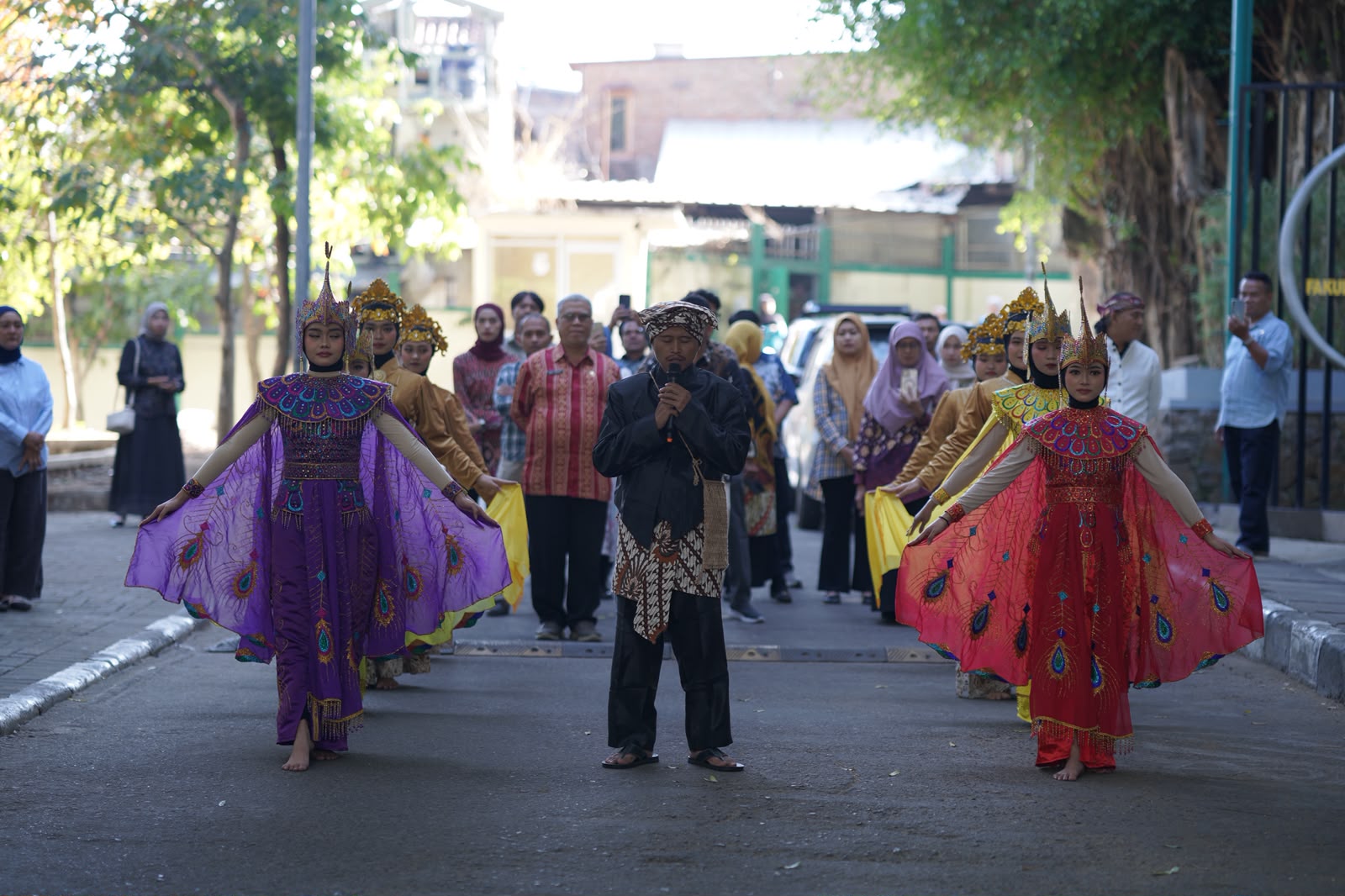
UINSGD.AC.ID (Humas) — West Java is home to more than fifty million people, the vast majority of whom identify as both Sundanese and Muslim. As one of Indonesia’s most populous provinces, it offers an important setting for understanding how Islam has developed within a culturally rich and ethnically diverse society. For many international students, daily life in West Java presents a unique experience. Mosques are found in almost every neighborhood, the call to prayer marks the rhythm of the day, Islamic holidays are celebrated collectively, and religious values are often reflected in social interactions. At the same time, visitors quickly discover that Sundanese traditions remain vibrant and deeply embedded in everyday life. This coexistence of strong religious commitment and enduring local culture raises an important question: how did Islam become so closely intertwined with Sundanese society?
The relationship between Islam and Sundanese culture represents one of the most significant examples of cultural integration in Southeast Asia. Rather than replacing local traditions through confrontation, Islam gradually became part of the social and cultural landscape of West Java through a long historical process of interaction, adaptation, and mutual accommodation. The spread of Islam in this region was largely characterized by peaceful contacts among merchants, scholars, local rulers, and ordinary communities. As Islamic teachings became more familiar, many of their ethical principles resonated with values that had already been respected within Sundanese society, allowing religious beliefs and local traditions to reinforce rather than negate one another.
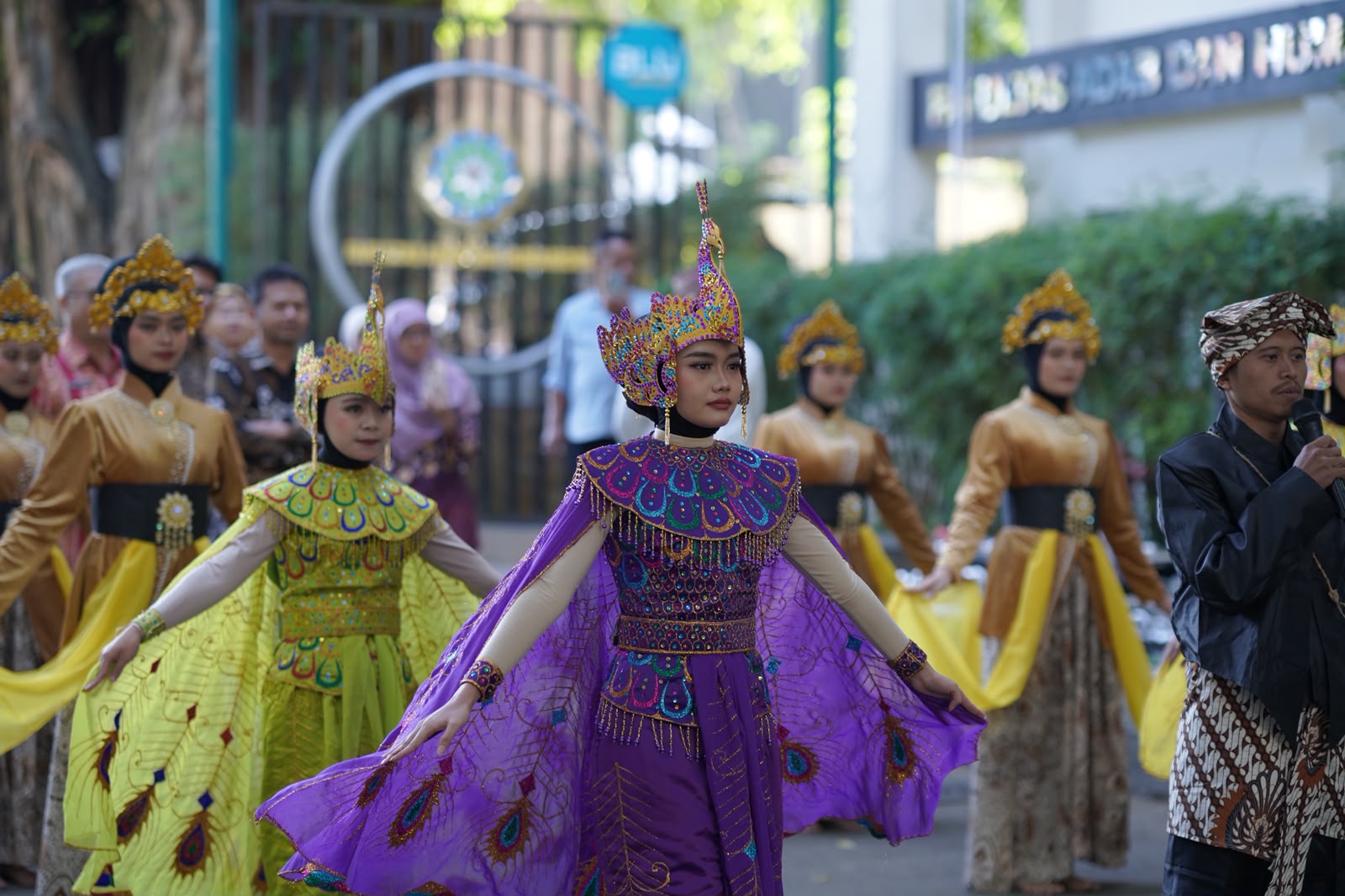 Understanding this historical process is particularly important because Indonesia is home to the world’s largest Muslim population while also maintaining remarkable cultural diversity. More than 1,300 ethnic groups, hundreds of local languages, and several officially recognized religions coexist within the Indonesian archipelago. West Java illustrates how Islam has developed within this pluralistic context, demonstrating that religious commitment and cultural identity need not exist in opposition. Instead, they may evolve together, producing forms of religious life that remain faithful to Islamic teachings while expressing themselves through local cultural traditions.
This essay examines the historical development of Islam in West Java and its relationship with Sundanese culture. It begins by discussing the arrival of Islam through maritime trade and commercial interaction before examining the gradual expansion of Muslim communities throughout the region. The discussion then explores the integration of Islamic teachings with Sundanese cultural values and concludes by examining how this historical legacy continues to shape everyday life in contemporary West Java. Rather than presenting Islam solely as a religious doctrine or Sundanese culture merely as a collection of traditions, this essay argues that both have developed through continuous dialogue, producing a distinctive social and cultural identity that remains visible today.
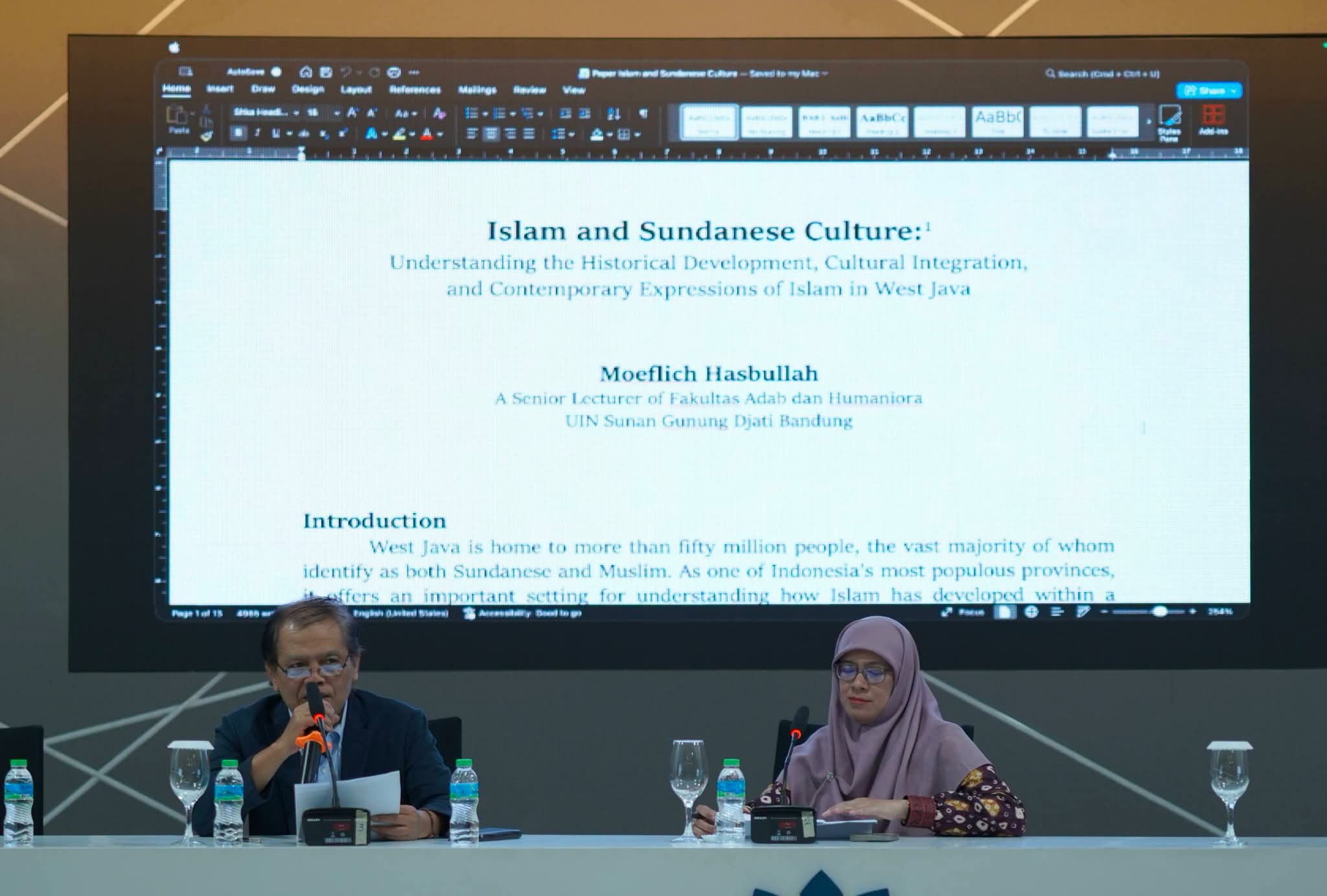
You can download the full article by Moeflich Hasbullah, a Senior Lecturer of Fakultas Adab dan Humaniora UIN Sunan Gunung Djati Bandung on Islam and Sundanese Culture: Understanding the Historical Development, Cultural Integration, and Contemporary Expressions of Islam in West Java. Prepared for International Students, SEASREP, UIN Sunan Gunung Djati, Bandung July 24, 2026 from this page.